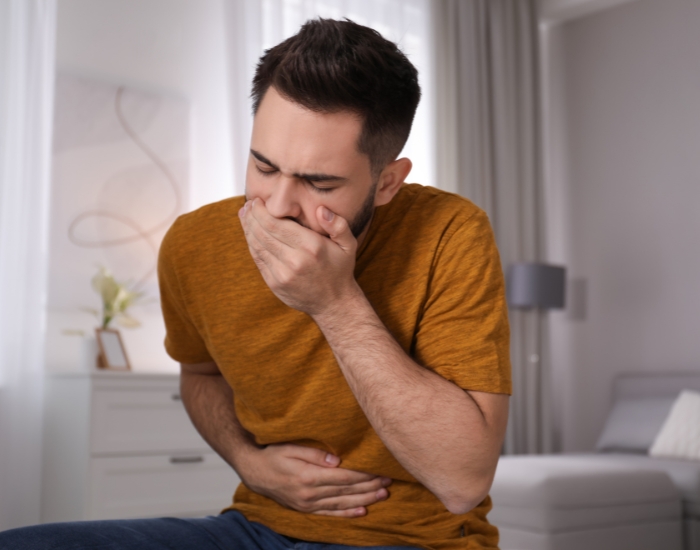
Food poisoning can strike unexpectedly, leaving patients feeling weak, nauseated, and unsure about what to do next. Many wonder, “How long can a food poisoning last?” The uncertainty can be stressful—especially if symptoms interfere with work, school, or daily routines. Understanding what to expect, how to manage symptoms, and when to seek professional care is essential for recovery and preventing complications.
Foodborne illness is common in the U.S., affecting millions each year. While most cases resolve on their own, some can linger or worsen, making it important to recognize the typical duration, red-flag symptoms, and effective care strategies.
What Is Food Poisoning
Food poisoning, medically known as foodborne illness, occurs when you ingest contaminated food or beverages. Pathogens such as bacteria, viruses, or parasites, as well as toxins, can trigger symptoms ranging from mild digestive discomfort to severe dehydration and systemic infection.
Common causes of food poisoning include:
-
Bacteria: Salmonella, E. coli, Listeria, and Campylobacter
-
Viruses: Norovirus, Rotavirus
-
Parasites: Giardia, Toxoplasma
-
Toxins or chemicals: Naturally occurring or contamination from improper food storage
The severity and duration of symptoms often depend on the type of contaminant, the amount consumed, and individual factors such as age, immune status, and underlying health conditions.
Typical Symptoms of Food Poisoning
Food poisoning symptoms can appear within hours or days after exposure, and may include:
-
Nausea or vomiting
-
Diarrhea, sometimes watery or bloody
-
Stomach cramps or abdominal pain
-
Fever or chills
-
Fatigue and weakness
-
Headaches or muscle aches
-
Dehydration signs: dry mouth, dizziness, reduced urination
Symptoms vary by pathogen, but most cases share these core digestive complaints. Recognizing the onset and pattern can help determine how long a food poisoning lasts and when professional care is needed.
How Long Can a Food Poisoning Last
The question, “How long can a food poisoning last?” depends largely on the cause and severity of the infection:
-
Mild bacterial or viral food poisoning: Typically resolves within 24–48 hours
-
Moderate cases: Symptoms may last 2–5 days
-
Severe bacterial infections (Salmonella, E. coli, Listeria): Can last a week or longer
-
Parasitic infections: May persist for weeks without treatment
-
Toxin-related food poisoning: Often resolves within hours, but some toxins can prolong symptoms
Most healthy adults recover fully without hospitalization, but certain groups—young children, older adults, pregnant individuals, and people with chronic illnesses—may experience longer recovery times or complications.
Factors That Influence Recovery Time
Several factors can determine how long a food poisoning lasts:
-
Type of pathogen or toxin
-
Amount of contaminated food consumed
-
Individual immune system strength
-
Hydration status
-
Presence of underlying conditions like diabetes or gastrointestinal disorders
-
Promptness of symptom management
Understanding these variables helps patients set realistic expectations for recovery and recognize warning signs that require medical attention.
Home Care Tips to Shorten Duration
For mild to moderate food poisoning, home care is often sufficient. Steps that may reduce recovery time include:
-
Stay hydrated: Drink water, electrolyte solutions, or clear broths to prevent dehydration
-
Rest: Adequate rest supports the immune system
-
Eat bland foods: Crackers, rice, bananas, and toast can be easier on the stomach
-
Avoid irritants: Alcohol, caffeine, fatty, or spicy foods may worsen symptoms
-
Gradually reintroduce regular diet: Start with light meals as nausea decreases
When to Seek Medical Attention
While most cases improve within a few days, some situations warrant urgent care. Seek medical evaluation if any of the following occur:
-
Persistent vomiting or diarrhea lasting more than three days
-
Signs of severe dehydration: dizziness, fainting, minimal urination
-
High fever (above 101.5°F / 38.6°C)
-
Blood in vomit or stool
-
Neurological symptoms: confusion, blurry vision, numbness
-
Food poisoning during pregnancy, infancy, or chronic illness
Primary care providers can assess severity, provide intravenous fluids if needed, prescribe antibiotics for specific bacterial infections, and advise on safe return to normal activities.
How Care Is Typically Approached
Primary care providers follow a structured approach to manage food poisoning and monitor recovery:
-
Symptom Assessment
-
Onset, severity, and duration of vomiting, diarrhea, and pain
-
Recent meals and potential sources of contamination
-
-
Hydration and Electrolyte Support
-
Oral rehydration solutions or IV fluids for severe cases
-
-
Medication Recommendations
-
Antiemetics for nausea and vomiting
-
Antibiotics only if a bacterial infection is confirmed or highly suspected
-
Probiotics may support gut recovery after diarrhea
-
-
Monitoring for Complications
-
Kidney function if severe dehydration or diarrhea is present
-
Blood tests for persistent symptoms
-
-
Referral to Specialists
-
Gastroenterologists for prolonged gastrointestinal symptoms
-
Infectious disease specialists if rare pathogens or outbreaks are suspected
-
Preventing Food Poisoning
Prevention is the best way to avoid long and uncomfortable recovery periods. Strategies include:
-
Wash hands thoroughly before handling food
-
Cook meat, poultry, and eggs to recommended temperatures
-
Avoid cross-contamination of raw and cooked foods
-
Store perishable items at proper refrigeration temperatures
-
Check expiration dates and avoid consuming suspicious foods
-
Drink safe, clean water and avoid unpasteurized products
Understanding Complications
Most food poisoning cases resolve without lasting effects, but complications can arise if symptoms are ignored:
-
Severe dehydration can require hospitalization
-
Chronic gastrointestinal issues may develop after certain bacterial infections
-
Kidney complications from E. coli (hemolytic uremic syndrome)
-
Pregnancy risks from Listeria infections
Early recognition of symptoms and prompt care are key to preventing these outcomes.
Lifestyle Considerations During Recovery
Recovering from food poisoning often requires patience and careful attention to the body’s needs. Helpful considerations include:
-
Gradual return to normal diet and activities
-
Avoiding heavy exercise until fully rehydrated
-
Monitoring bowel movements and overall energy levels
-
Keeping track of triggers to prevent repeat episodes
Conclusion
Food poisoning can be alarming, leaving patients asking, “How long can a food poisoning last?” Recovery time depends on the type of contaminant, severity of symptoms, and individual health factors. Most mild cases resolve within 1–3 days, while more severe bacterial or parasitic infections may persist longer.
Primary care providers are well-equipped to evaluate symptoms, provide supportive care, and determine if specialist intervention is needed. Following preventive measures and staying hydrated can help shorten recovery time, reduce complications, and restore comfort quickly. Understanding what to expect helps patients take proactive steps toward a full and safe recovery.
Medical Disclaimer: This content is for educational purposes only and does not replace professional medical advice. Always consult a healthcare provider for evaluation, diagnosis, or treatment of food poisoning or any medical condition.