
Many people assume that headaches are one of the most common and reliable signs of high blood pressure. But the relationship between blood pressure and headaches is more complex than it seems. Some individuals experience headaches during severe spikes in blood pressure, while others may have dangerously high readings with no headache at all.
This confusion often leads patients to ask a very important question: can high blood pressure cause headaches?
The short answer is yes—but not in every case. Headaches related to blood pressure usually occur when levels become significantly elevated or when there is a sudden spike rather than mild or moderate hypertension. Understanding this distinction is essential because relying on headaches alone can lead to missed warning signs of serious hypertension.
Important Note
High blood pressure is often called a “silent condition” because it may not cause noticeable symptoms until it becomes severe. Even if you do not have headaches, you could still have hypertension that requires medical attention. Understanding your blood pressure readings is more important than relying on symptoms alone.
Table of Contents
Do High Blood Pressure and Headaches Really Connect?
For many years, headaches were believed to be a direct symptom of high blood pressure. However, modern medical research shows that mild to moderate hypertension usually does not cause headaches.
Headaches are more likely to appear when blood pressure reaches severely high levels, often referred to as a hypertensive crisis. In these situations, the force of blood pushing against artery walls becomes extremely high, which may affect blood vessels in the brain.
This sudden increase in pressure can trigger pain receptors and lead to a headache. However, it is important to understand that not everyone experiences this symptom, even in dangerous situations.
This is why hypertension is often called a “silent killer.” People may feel completely normal while their blood pressure is quietly damaging their organs over time.
Patients receiving ongoing care through a hypertension treatment doctor are often educated that symptoms like headaches are not reliable indicators of blood pressure levels.
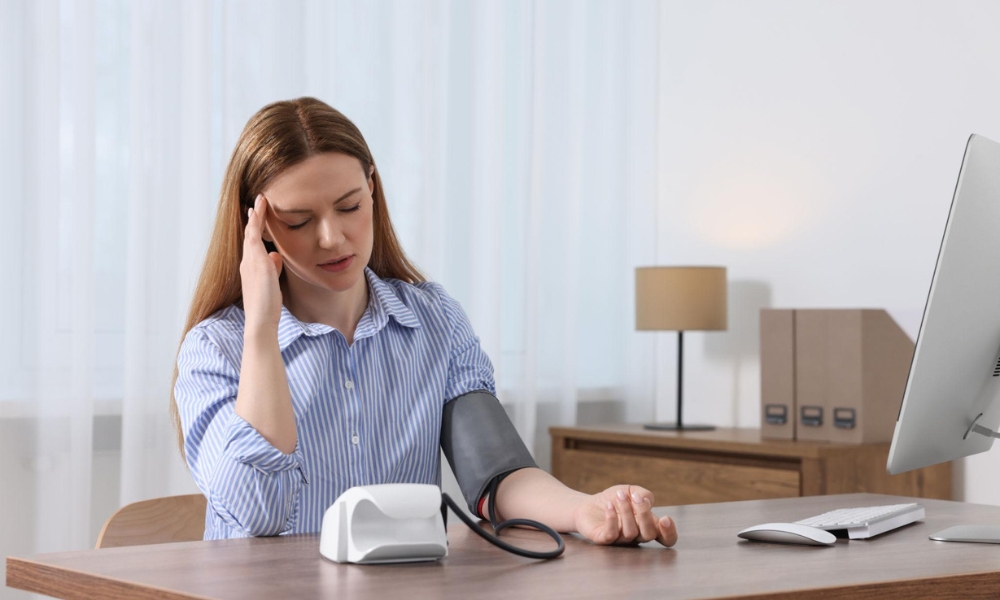
Why High Blood Pressure May Cause Headaches
When blood pressure becomes extremely high, it can affect the blood vessels in the brain. These vessels may become strained or irritated due to increased pressure.
This can lead to what is known as a pressure-type headache, often described as a dull, throbbing pain. The headache may feel worse in the morning or occur alongside other symptoms such as dizziness or blurred vision.
In some cases, extremely high blood pressure can also lead to swelling in the brain or disruption of normal blood flow regulation. This is a medical emergency and requires immediate attention.
However, it is important to note that many headaches are not related to blood pressure at all. Stress, dehydration, lack of sleep, eye strain, and migraines are far more common causes.
This makes it difficult to determine the cause of a headache without measuring blood pressure directly.
Types of Headaches Associated With High Blood Pressure
Not all headaches linked to hypertension feel the same. When blood pressure does contribute to head pain, it may present in different ways depending on severity.
Some people report a pulsating or throbbing sensation, often felt at the back of the head or temples. Others describe a tight, pressure-like feeling that worsens with activity or stress.
In more severe cases, headaches may be accompanied by nausea, vomiting, or visual disturbances. These symptoms may indicate dangerously high blood pressure levels that require immediate evaluation.
It is also possible for individuals with chronic hypertension to experience no headaches at all, even when their readings are significantly elevated.
Common Hypertension Symptoms You Should Know
While headaches may sometimes occur, they are not the most reliable symptom of high blood pressure. Instead, hypertension often progresses without clear warning signs.
When symptoms do appear, they may include:
- Dizziness
- Blurred vision
- Chest discomfort
- Shortness of breath
- Fatigue
- Nosebleeds (in severe cases)
These symptoms typically occur when blood pressure reaches dangerously high levels or when complications begin to develop.
Because symptoms can be subtle or absent, regular blood pressure monitoring is essential for early detection.
Patients who undergo routine annual physical exams are more likely to identify hypertension before complications occur.
Why High Blood Pressure Can Be Silent
One of the most dangerous aspects of hypertension is that it often develops without noticeable symptoms. This means a person can have high blood pressure for years without realizing it.
During this time, the heart, kidneys, brain, and blood vessels may be slowly damaged. Over time, this increases the risk of heart attack, stroke, and kidney disease.
This silent progression is why routine screening is so important, especially for adults with risk factors such as obesity, stress, family history, or poor diet.
Even in the absence of headaches, high blood pressure can still be causing harm internally.
Early Warning Signs of Dangerous Blood Pressure
Although mild hypertension is usually symptomless, severely elevated blood pressure may produce warning signs that should never be ignored.
These may include:
- Severe headache that does not go away
- Chest pain or pressure
- Shortness of breath
- Confusion or difficulty speaking
- Vision changes
- Severe anxiety or restlessness
These symptoms may indicate a hypertensive crisis, which requires immediate medical attention.
When blood pressure rises to dangerous levels, the risk of organ damage increases significantly, making early intervention critical.
Patients managing chronic disease conditions are especially encouraged to monitor these symptoms closely.
When Headaches Signal a Hypertensive Crisis
A hypertensive crisis occurs when blood pressure rises to extremely dangerous levels, typically around 180/120 mmHg or higher. At this point, the pressure inside blood vessels becomes so intense that it can start affecting vital organs, including the brain, heart, and kidneys.
This is the situation where headaches become more likely to appear—and more concerning. Unlike common tension headaches, hypertension-related headaches in a crisis setting are often severe, persistent, and resistant to typical pain relief methods.
However, even in a hypertensive crisis, not everyone experiences headaches. Some individuals may instead develop chest pain, shortness of breath, confusion, or vision changes. This variability is what makes high blood pressure so dangerous—it does not present the same way in every person.
When symptoms do appear alongside very high readings, they should always be treated as a medical emergency rather than something to monitor at home.
Important Note
A hypertensive crisis is not something that can be safely managed with rest or over-the-counter medication. If blood pressure readings are extremely high and symptoms like headache, chest pain, or confusion are present, immediate medical care is necessary to prevent organ damage.
Dangerous Blood Pressure Levels Explained
Blood pressure is measured using two numbers: systolic (top number) and diastolic (bottom number). While mild elevation may not cause symptoms, dangerously high levels put significant strain on the cardiovascular system.
In general, readings above 180/120 mmHg are considered severe and may require emergency evaluation, especially if symptoms are present.
At this level, the heart is working much harder than normal, and blood vessels are under extreme pressure. This can lead to damage in the brain’s delicate blood vessels, which may contribute to headaches or neurological symptoms.
It is important to understand that even moderately elevated blood pressure over time can also contribute to long-term health risks, including heart disease and stroke.
Patients receiving care for blood pressure management are often encouraged to monitor both numbers consistently rather than waiting for symptoms like headaches to appear.
Hypertension Headache vs Migraine vs Tension Headache
One of the biggest challenges in understanding blood pressure-related headaches is that they can feel similar to other common headache types.
A hypertension-related headache is often described as a dull, pressure-like pain, sometimes felt at the back of the head. It may worsen when blood pressure is very high or during a hypertensive crisis.
Migraines, on the other hand, tend to be more intense and often come with nausea, sensitivity to light or sound, and throbbing pain that can last for hours or even days.
Tension headaches are usually caused by stress, muscle tightness, or fatigue. They often feel like a band of pressure around the head and are typically milder than migraines.
Because these headache types overlap in symptoms, measuring blood pressure is the only reliable way to determine whether hypertension is involved.
Symptoms That May Appear With High Blood Pressure Headaches
When high blood pressure does contribute to headaches, it is often accompanied by other symptoms that indicate the body is under significant stress.
These may include blurred vision, dizziness, shortness of breath, chest discomfort, or a feeling of pressure in the head that does not go away easily.
Some individuals may also experience anxiety, restlessness, or difficulty concentrating. These symptoms can be subtle at first but may worsen as blood pressure continues to rise.
In more severe cases, confusion or difficulty speaking may occur, which can indicate potential brain involvement and requires immediate medical attention.
Because these symptoms can escalate quickly, early recognition is critical.
When a Headache Becomes a Warning Sign
Most headaches are not caused by high blood pressure, but certain warning signs should never be ignored.
A headache that is sudden, severe, and different from usual patterns may indicate a more serious problem. This is especially true if it is accompanied by very high blood pressure readings or neurological symptoms.
If a headache occurs alongside chest pain, vision changes, confusion, or difficulty breathing, it may indicate that blood pressure has reached a dangerous level.
These situations require immediate medical evaluation rather than self-treatment.
It is also important to note that relying on pain alone is not a safe way to judge blood pressure severity. Some of the most dangerous cases of hypertension occur without any headache at all.
How High Blood Pressure Affects the Brain and Body
When blood pressure remains elevated for long periods, it places continuous stress on blood vessels throughout the body. Over time, this can lead to structural damage and reduced organ function.
The brain is particularly sensitive to changes in blood pressure. Extremely high levels can affect blood flow regulation, potentially leading to swelling or irritation of blood vessels, which may contribute to headache symptoms.
The heart also works harder to pump blood against increased resistance, which can lead to thickening of the heart muscle and eventually heart failure if left untreated.
Kidneys filter blood under pressure, so long-term hypertension can reduce their ability to function properly.
This is why managing blood pressure early is so important—even if symptoms like headaches are not present.
Patients managing multiple conditions such as diabetes and blood pressure together require careful monitoring because these conditions often influence each other.

How Doctors Evaluate Blood Pressure-Related Headaches
When a patient reports headaches and elevated blood pressure, doctors focus on both symptom history and current readings.
They may ask when the headache started, how severe it feels, whether it is different from previous headaches, and whether any other symptoms are present.
Blood pressure measurements are taken repeatedly to confirm whether the elevation is consistent or temporary.
Additional tests may be ordered if a hypertensive crisis is suspected, including blood work or imaging studies to assess organ function.
The goal is not just to treat the headache, but to determine whether the cardiovascular system is under immediate stress.
Patients who undergo regular annual physical exams are more likely to detect blood pressure issues early before they escalate into emergencies.
Why You Should Never Rely on Headaches Alone
One of the most important lessons in hypertension care is that symptoms are not reliable indicators of blood pressure levels.
Some people may experience headaches during high blood pressure episodes, while others may have no symptoms at all even when readings are dangerously elevated.
This is why hypertension is often discovered during routine checkups rather than after symptoms appear.
Waiting for a headache to signal a problem can delay diagnosis and increase the risk of complications such as stroke or heart attack.
Regular monitoring remains the most accurate and effective way to manage blood pressure.
Important Note
If you experience sudden, severe headaches combined with very high blood pressure readings or neurological symptoms, do not wait for the pain to improve. Seek medical attention immediately, as this may indicate a hypertensive emergency.
How to Prevent High Blood Pressure Headaches
Preventing headaches related to high blood pressure starts with controlling blood pressure itself. Since hypertension often develops silently over time, prevention is less about reacting to symptoms and more about maintaining consistent cardiovascular health.
One of the most effective strategies is regular monitoring. Checking blood pressure at home or during routine clinic visits helps identify trends early. Many people only discover hypertension after years of unnoticed elevation, which increases the risk of complications.
Diet also plays a major role. High sodium intake, processed foods, and excess saturated fats can contribute to elevated blood pressure. A balanced diet rich in fruits, vegetables, lean proteins, and whole grains supports healthier vascular function.
Physical activity is equally important. Regular exercise helps improve circulation, strengthen the heart, and reduce arterial stiffness, all of which contribute to better blood pressure control.
Stress management is another often-overlooked factor. Chronic stress can lead to hormonal changes that temporarily raise blood pressure, sometimes triggering headaches in sensitive individuals. Techniques such as deep breathing, walking, meditation, or structured relaxation can help stabilize both blood pressure and headache frequency.
Patients who receive ongoing care through a hypertension treatment doctor often benefit from personalized plans that include lifestyle changes, medication adjustments, and regular monitoring to prevent complications before they develop.
When You Should Be Concerned About a Headache
Most headaches are not caused by high blood pressure, but certain patterns should raise concern. A headache that appears suddenly and feels unusually intense compared to previous episodes may indicate a more serious underlying issue.
Headaches accompanied by symptoms such as blurred vision, chest pain, shortness of breath, confusion, or difficulty speaking should never be ignored. These signs may indicate that blood pressure is dangerously elevated and affecting multiple organ systems.
It is also important to pay attention to headaches that do not respond to usual pain relief methods, especially if blood pressure readings are high at the same time.
While occasional headaches are common and often harmless, persistent or severe symptoms combined with elevated blood pressure require medical evaluation.
Important Note
Do not rely on pain severity alone to judge whether high blood pressure is dangerous. Some of the most serious hypertensive conditions occur without noticeable symptoms. Regular blood pressure checks are the most reliable way to assess risk.
Managing Hypertension in Bryan, TX
If you live in Bryan, TX, managing blood pressure early is one of the best ways to prevent complications such as stroke, heart disease, and kidney problems. Many patients are surprised to learn that hypertension often develops gradually and without obvious warning signs.
Primary care providers play a key role in identifying and managing high blood pressure through routine screenings, medication management, and lifestyle guidance.
For individuals who experience recurring headaches along with fluctuating blood pressure readings, timely evaluation can help determine whether symptoms are related to hypertension or other conditions.
Walk-in and primary care services can also help patients who notice sudden changes in symptoms or blood pressure levels, allowing for early intervention before complications develop.
Routine checkups through a walk-in clinic or primary care provider are especially important for individuals with risk factors such as obesity, diabetes, family history of hypertension, or high stress levels.
Consistent care is one of the most effective ways to reduce long-term risks associated with uncontrolled blood pressure.
Key Takeaways About High Blood Pressure and Headaches
High blood pressure can cause headaches, but not in every case. Headaches are more likely when blood pressure reaches severely elevated levels or during a hypertensive crisis.
However, most people with hypertension do not experience headaches at all, which is why the condition is often called a silent health risk.
Relying on headaches alone to detect high blood pressure can be misleading. Regular monitoring and preventive care are far more reliable ways to identify and manage hypertension early.
If headaches occur alongside symptoms such as chest pain, confusion, vision changes, or shortness of breath, immediate medical attention is necessary.
Early diagnosis and consistent management significantly reduce the risk of long-term complications such as heart disease, stroke, and kidney damage.
Frequently Asked Questions (Voice Search Optimized)
Can high blood pressure cause headaches?
Yes, high blood pressure can cause headaches, but usually only when levels are severely elevated or during a hypertensive crisis. Mild to moderate hypertension typically does not cause symptoms.
What kind of headache does high blood pressure cause?
High blood pressure headaches are often described as a dull, pressure-like pain, sometimes felt at the back of the head. However, they can vary and are not always distinguishable from other headache types.
When should I worry about a headache and high blood pressure?
You should be concerned if a headache is severe, sudden, or accompanied by symptoms like chest pain, confusion, vision changes, or very high blood pressure readings.
Is headache a reliable sign of high blood pressure?
No, headache is not a reliable indicator of blood pressure levels. Many people with high blood pressure do not experience headaches at all.
Can lowering blood pressure stop headaches?
If the headache is caused by high blood pressure, controlling blood pressure may help reduce symptoms. However, many headaches are caused by other factors like stress or dehydration.
What is considered dangerously high blood pressure?
Blood pressure readings around 180/120 mmHg or higher are considered a hypertensive crisis and may require emergency medical attention, especially if symptoms are present.
Medical Disclaimer
This article is for educational purposes only and does not replace professional medical advice, diagnosis, or treatment. High blood pressure and headaches can have many causes, and only a qualified healthcare provider can determine the exact cause and appropriate treatment. If you experience severe symptoms or extremely high blood pressure readings, seek immediate medical care.