
When blood sugar reaches 500 mg/dL, it is not just “high”—it is a medical emergency. At this level, the body is under extreme stress, and internal systems begin to struggle to function properly. Many patients don’t realize how serious this number is until symptoms become severe or life-threatening.
Blood sugar at this range usually indicates uncontrolled diabetes or an acute medical trigger such as infection, missed insulin doses, severe stress, or an underlying illness. In clinical terms, this condition is often classified as severe hyperglycemia, and it requires immediate attention to prevent dangerous complications like diabetic ketoacidosis (DKA) or hyperosmolar hyperglycemic state (HHS).
Understanding what happens inside the body when glucose reaches this level can help you recognize danger early and take action before complications develop.
Important Note
A blood sugar reading of 500 mg/dL should never be ignored or treated at home without medical guidance. Even if you feel “okay,” internal damage may already be occurring. High glucose levels affect hydration, brain function, kidney performance, and electrolyte balance. Early recognition and emergency care can be life-saving.
Table of Contents
What Blood Sugar 500 Really Means
A blood sugar level of 500 mg/dL is significantly above the normal range and indicates that the body is unable to properly regulate glucose. In most healthy individuals, fasting blood sugar stays below 100 mg/dL, and even after meals, it rarely exceeds 140 mg/dL.
When levels reach 500, glucose is essentially flooding the bloodstream. However, the problem is not just the sugar itself—it is the body’s inability to move that sugar into cells where it is needed for energy.
This typically happens in people with diabetes, especially when insulin is missing, insufficient, or ineffective. Without insulin’s action, glucose accumulates in the blood, leading to a chain reaction of metabolic imbalance.
At this stage, the body begins to shift into survival mode, breaking down fat and muscle for energy, which produces toxic byproducts called ketones.
This is where the situation becomes dangerous very quickly.
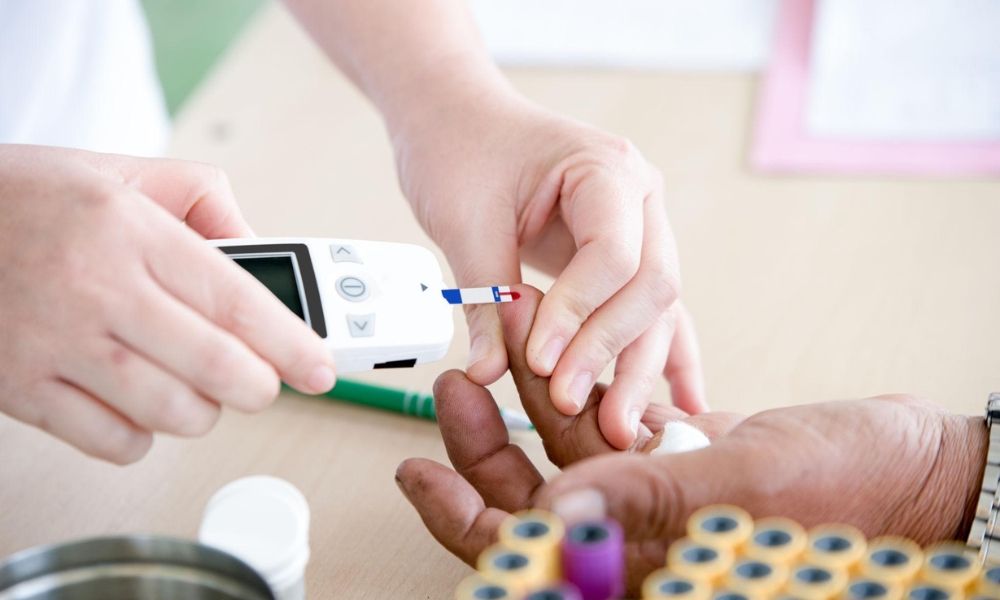
What Happens Inside the Body at 500 mg/dL
When blood sugar reaches 500 mg/dL, multiple systems in the body are affected at the same time. The bloodstream becomes overloaded with glucose, and the kidneys attempt to remove it through urine. This leads to excessive urination and severe fluid loss.
As dehydration worsens, the blood becomes thicker and more concentrated. This places additional strain on the heart, kidneys, and brain.
Electrolytes such as sodium and potassium also become imbalanced, affecting muscle function and heart rhythm.
Meanwhile, cells are essentially starving because they cannot access glucose for energy. This creates a paradoxical situation where there is too much sugar in the blood but not enough energy inside the cells.
The brain is especially sensitive to these changes. Patients may begin to feel confused, fatigued, or disoriented as glucose levels continue to rise.
Understanding Severe Hyperglycemia
Severe hyperglycemia refers to critically elevated blood sugar levels that typically exceed 300–400 mg/dL and continue rising without intervention. At 500 mg/dL, this condition is considered highly dangerous.
Severe hyperglycemia is not just a number—it is a metabolic crisis. The body is unable to maintain normal balance, and internal systems begin to fail if not treated promptly.
This condition can develop slowly over days or rapidly within hours, depending on the cause. Common triggers include infection, missed insulin doses, uncontrolled diabetes, steroid medications, or extreme physical stress.
Many patients do not realize how quickly severe hyperglycemia can progress until symptoms become overwhelming.
Individuals receiving ongoing care for blood sugar management are often educated on early warning signs to prevent escalation to this dangerous level.
Early Symptoms Before Blood Sugar Reaches Critical Levels
Before blood sugar reaches 500 mg/dL, the body often gives warning signs. Unfortunately, these symptoms are sometimes mistaken for fatigue, dehydration, or minor illness.
Early symptoms may include:
- Increased thirst
- Frequent urination
- Dry mouth
- Mild headache
- Blurred vision
- Fatigue
- Mild nausea
At this stage, many people still feel “functional,” which can delay treatment. However, internally, glucose levels may already be rising rapidly.
Without intervention, these mild symptoms can progress into a medical emergency.
Dangerous Symptoms at Blood Sugar 500
As blood sugar approaches or reaches 500 mg/dL, symptoms become significantly more severe and noticeable.
Patients may experience:
- Extreme dehydration
- Rapid heartbeat
- Shortness of breath
- Confusion or difficulty concentrating
- Severe fatigue or weakness
- Nausea and vomiting
- Stomach pain
In some cases, a fruity or acetone-like smell may appear on the breath, which is a sign of ketone buildup.
These symptoms suggest the body is entering a dangerous metabolic state that may progress to diabetic ketoacidosis if untreated.
The risk increases significantly when blood sugar remains elevated for extended periods without medical intervention.
Important Note
Even if symptoms feel manageable, a blood sugar level of 500 mg/dL should be treated as an emergency. Many serious complications, including diabetic ketoacidosis, begin silently before obvious symptoms appear. Waiting too long can increase the risk of hospitalization and organ stress.

When Blood Sugar 500 Becomes a Medical Emergency
A blood sugar reading of 500 mg/dL is already in the danger zone, but what makes it truly critical is how the body responds. For some people, this level may come with obvious symptoms, while for others it may develop more silently. The real emergency begins when high glucose is combined with dehydration, ketone buildup, or changes in mental status.
At this stage, the body is no longer simply “running high”—it is losing its ability to maintain basic internal balance. Fluid loss increases rapidly through urination, and the bloodstream becomes more concentrated. This puts strain on the heart and reduces blood flow efficiency to vital organs.
Doctors generally treat blood sugar at or above 500 mg/dL as a potential emergency, especially when symptoms are present or when the reading does not improve after insulin or medication adjustments.
If a person is vomiting, confused, extremely weak, or having difficulty breathing, it is no longer safe to manage at home. These are signs that the body is progressing toward a serious complication.
Diabetic Ketoacidosis (DKA): A Life-Threatening Risk
One of the most dangerous complications of blood sugar reaching 500 mg/dL is diabetic ketoacidosis, commonly known as DKA. This condition occurs when the body does not have enough insulin to use glucose for energy.
When this happens, the body begins breaking down fat at a rapid rate to compensate. This process produces ketones, which are acidic chemicals. As ketones accumulate in the blood, the body becomes increasingly acidic, which disrupts normal organ function.
DKA develops more commonly in people with Type 1 diabetes but can also occur in Type 2 diabetes under severe stress or illness.
Symptoms of DKA often include deep, rapid breathing, persistent nausea, vomiting, abdominal pain, and a distinctive fruity odor on the breath. As the condition worsens, confusion and reduced consciousness may occur.
DKA is a medical emergency because it affects multiple systems at once, including the brain, kidneys, and cardiovascular system. Without immediate treatment, it can become life-threatening.
Treatment usually requires intravenous fluids, insulin therapy, and careful correction of electrolyte imbalances under hospital supervision.
Hyperosmolar Hyperglycemic State (HHS)
Another serious complication associated with blood sugar levels around 500 mg/dL or higher is hyperosmolar hyperglycemic state, or HHS. This condition is more common in older adults with Type 2 diabetes.
Unlike DKA, HHS typically does not involve significant ketone production. Instead, it is characterized by extremely high blood sugar and severe dehydration.
In HHS, blood becomes highly concentrated, making it difficult for organs to function properly. The brain is especially affected, leading to confusion, extreme drowsiness, and in severe cases, coma.
HHS often develops slowly over several days, which makes it easy to overlook in the early stages. However, once symptoms become severe, hospitalization is required.
Both DKA and HHS are conditions that cannot be safely treated at home. They require immediate medical attention and intensive care monitoring.
What Happens in the Emergency Room for Blood Sugar 500
When a patient arrives at the emergency room with blood sugar around 500 mg/dL, doctors begin with rapid stabilization and assessment.
The first priority is hydration. Intravenous fluids are given to restore circulation and help dilute excess glucose in the bloodstream. This also helps support kidney function and correct dehydration.
Next, insulin is administered carefully to bring blood sugar down in a controlled manner. Rapid correction is avoided because sudden changes in glucose levels can create additional complications.
Doctors also run blood tests to check electrolyte levels, kidney function, and ketone presence. These results help determine whether the patient is experiencing DKA, HHS, or another metabolic imbalance.
If necessary, potassium and other electrolytes are replaced to maintain proper heart and muscle function.
Patients are closely monitored throughout treatment because blood sugar levels can shift quickly during the stabilization process.
How Blood Sugar 500 Affects the Body Long-Term
Even a single episode of extremely high blood sugar can place stress on the body. However, repeated or prolonged episodes significantly increase the risk of long-term complications.
High glucose levels damage blood vessels over time, reducing circulation efficiency and increasing inflammation. This can affect the heart, kidneys, eyes, and nerves.
The kidneys, which filter excess glucose from the blood, may become overworked and gradually lose function. The eyes are also vulnerable, as small blood vessels in the retina can be damaged, increasing the risk of vision problems.
Nerve damage is another concern, often starting with tingling or numbness in the hands and feet.
Cardiovascular strain is especially important because elevated blood sugar is often linked with other conditions such as high blood pressure. Patients managing hypertension alongside diabetes require careful monitoring to reduce overall risk.
Who Is Most at Risk for Blood Sugar 500?
While anyone with diabetes can experience dangerously high blood sugar, certain groups are more vulnerable.
People with poorly controlled diabetes or inconsistent medication use are at higher risk. Those who miss insulin doses or have difficulty managing their treatment plan may experience sudden spikes.
Illness and infection are also major triggers. During sickness, the body releases stress hormones that naturally raise blood sugar levels, sometimes dramatically.
Older adults are particularly at risk because dehydration can develop more quickly, and symptoms may be harder to recognize early.
Individuals with multiple chronic conditions, including heart disease or kidney disease, may also experience more severe complications when blood sugar becomes extremely elevated.
Patients under ongoing care at a diabetes treatment doctor are often better equipped to recognize early warning signs and prevent escalation to dangerous levels like 500 mg/dL.
How to Prevent Blood Sugar From Reaching Dangerous Levels
Preventing blood sugar from reaching 500 mg/dL is far easier than treating it once it becomes severe. Most cases of extreme hyperglycemia develop gradually, often due to missed medication doses, infections, poor dietary control, or unmanaged stress. The key to prevention is consistency and early recognition of warning patterns.
For individuals living with diabetes, regular monitoring is one of the most powerful tools available. Checking blood sugar at consistent times throughout the day helps identify trends before they become emergencies. A sudden upward shift in readings over several days is often an early warning sign that something in the body is not functioning properly.
Medication adherence is equally important. Missing insulin or oral diabetes medications can allow glucose levels to rise quickly and unpredictably. Even short interruptions in treatment can significantly impact blood sugar stability.
Illness management also plays a major role. During infections or physical stress, the body releases hormones that raise blood sugar. This means that even people who normally have stable glucose levels may experience dangerous spikes when they are sick.
Hydration is another often-overlooked factor. When the body is dehydrated, glucose becomes more concentrated in the bloodstream, which can worsen hyperglycemia. Drinking adequate fluids throughout the day helps support kidney function and glucose regulation.
Patients receiving ongoing care for diabetes management often benefit from individualized care plans that adjust medications and monitoring schedules during illness or lifestyle changes.
Warning Signs You Should Never Ignore
Before blood sugar reaches extreme levels like 500 mg/dL, the body usually sends warning signals. Recognizing these early symptoms can prevent emergency situations.
Common warning signs include persistent thirst, frequent urination, unexplained fatigue, blurry vision, slow-healing wounds, and difficulty concentrating. While these symptoms may seem mild at first, they often indicate rising glucose levels that require attention.
As blood sugar continues to rise, symptoms may progress to nausea, vomiting, abdominal discomfort, rapid breathing, and increasing confusion. These are signs that the body is struggling to maintain balance.
It is important not to dismiss these symptoms, especially if blood sugar readings are already elevated. Early intervention can prevent progression to severe hyperglycemia or diabetic ketoacidosis.
Important Note
Even if symptoms feel manageable, consistently high blood sugar should never be ignored. Many serious complications develop silently before becoming obvious. Seeking timely medical evaluation can significantly reduce the risk of hospitalization and long-term organ damage.
Managing Diabetes and Blood Sugar in Bryan, TX
If you live in Bryan, TX, or nearby areas, access to timely medical care can make a major difference in preventing complications from high blood sugar. Primary care providers play a key role in helping patients manage diabetes through routine monitoring, medication adjustments, and lifestyle guidance.
For patients experiencing frequent glucose fluctuations or difficulty controlling blood sugar, regular follow-up visits can help identify underlying causes and adjust treatment plans before emergencies occur.
Walk-in and primary care services can also provide support when symptoms first appear, helping patients avoid progression to severe hyperglycemia.
Routine visits through a walk-in clinic or primary care provider allow for early intervention, especially when blood sugar readings begin to trend upward.
Preventive care is especially important for individuals with a family history of diabetes, obesity, or cardiovascular disease, as these factors increase the risk of blood sugar instability.
Ultimately, consistent medical care is one of the most effective ways to prevent dangerous spikes like blood sugar 500 mg/dL.
Key Takeaways
Blood sugar reaching 500 mg/dL is a serious medical emergency that indicates severe hyperglycemia. At this level, the body is under extreme stress and may begin developing dangerous complications such as diabetic ketoacidosis or hyperosmolar hyperglycemic state.
Symptoms can include extreme thirst, frequent urination, confusion, vomiting, dehydration, and rapid breathing. In some cases, symptoms may progress quickly and require immediate emergency care.
Early recognition, consistent monitoring, and proper diabetes management are essential for preventing life-threatening complications.
If blood sugar reaches this level and does not improve with prescribed treatment, or if severe symptoms develop, emergency medical attention is necessary.
Frequently Asked Questions (Voice Search Optimized)
What happens if blood sugar reaches 500?
When blood sugar reaches 500 mg/dL, the body enters a dangerous state called severe hyperglycemia. It can lead to dehydration, confusion, electrolyte imbalance, and life-threatening complications like diabetic ketoacidosis if not treated quickly.
Is blood sugar of 500 an emergency?
Yes, a blood sugar level of 500 mg/dL is considered a medical emergency, especially if symptoms like vomiting, confusion, or difficulty breathing are present.
Can you survive blood sugar 500?
Yes, many people recover with prompt medical treatment. However, without treatment, it can become life-threatening due to complications like DKA or HHS.
How long can blood sugar stay at 500?
It should never remain at this level. Prolonged high blood sugar increases the risk of organ damage and emergency complications.
What should I do if my blood sugar is 500 right now?
Seek immediate medical attention. Do not wait for symptoms to worsen, as this level requires urgent evaluation and treatment.
Medical Disclaimer
This article is for educational purposes only and is not a substitute for professional medical advice, diagnosis, or treatment. Always seek guidance from a qualified healthcare provider regarding blood sugar concerns. If you experience severe symptoms or extremely high blood sugar levels, seek emergency medical care immediately.