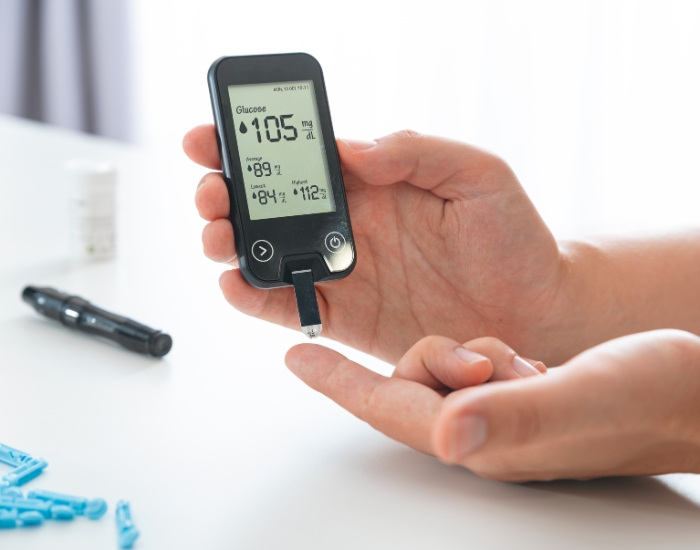
Blood sugar levels naturally rise and fall throughout the day, especially after meals, exercise, stress, illness, or medication changes. But there comes a point when blood glucose becomes more than just a number on a meter—it becomes a medical concern. One of the most common questions patients ask is, “What level of blood sugar is dangerous?” The answer depends on several factors, including whether blood sugar is too high or too low, how long it remains abnormal, and whether symptoms are developing.
For some people, dangerously high blood sugar can develop gradually over several days. For others, dangerously low blood sugar may appear suddenly and require immediate attention. Understanding the warning signs can help prevent serious complications and ensure timely medical care.
Important Note
If you’ve recently noticed unusual thirst, frequent urination, blurry vision, dizziness, confusion, extreme fatigue, or unexplained changes in your blood sugar readings, don’t ignore those signs. While some fluctuations are common, others may indicate a serious medical condition requiring prompt evaluation. Understanding what blood sugar numbers mean—and how your body responds to them—can help you recognize potential emergencies before complications develop.
Table of Contents
- What Blood Sugar Level Is Considered Dangerous?
- Dangerously High Blood Sugar Levels
- Dangerously Low Blood Sugar Levels
- Symptoms of Severe Hyperglycemia
- Symptoms of Severe Hypoglycemia
- When Should I Go to the Primary Care for High Blood Sugar?
- How Doctors Diagnose Dangerous Blood Sugar Levels
- Treatment Options
- How to Prevent Dangerous Blood Sugar Spikes
- Blood Sugar Care in Bryan, TX
- Frequently Asked Questions
- Medical Disclaimer
What Blood Sugar Level Is Considered Dangerous?
A dangerous blood sugar level is one that places the body at risk of immediate harm or serious complications. While target ranges vary slightly depending on age, health conditions, and diabetes status, healthcare providers generally become concerned when blood sugar rises above 300 mg/dL or falls below 70 mg/dL.
For many adults, normal fasting blood sugar typically falls between 70 and 99 mg/dL. After eating, blood sugar often rises but usually remains below 140 mg/dL in people without diabetes.
Danger arises when glucose levels move far outside these ranges. Extremely high blood sugar can lead to diabetic ketoacidosis (DKA) or hyperosmolar hyperglycemic state (HHS), while extremely low blood sugar can affect brain function, consciousness, and even survival if left untreated.
It’s important to remember that numbers alone don’t tell the whole story. Some people may experience severe symptoms at lower levels, while others may have very high readings with few immediate symptoms. That’s why both blood sugar readings and physical symptoms matter.
Dangerously High Blood Sugar Levels
High blood sugar, also known as hyperglycemia, occurs when glucose accumulates in the bloodstream faster than the body can use or regulate it.
Generally, healthcare providers become increasingly concerned when blood sugar consistently exceeds 250 mg/dL. Levels above 300 mg/dL often require prompt medical evaluation, particularly if symptoms are present.
When blood sugar remains elevated for extended periods, the body struggles to move glucose into cells. As a result, cells begin looking for alternative energy sources. In people with diabetes, especially type 1 diabetes, this process can trigger the production of ketones, acidic substances that can accumulate and become dangerous.
Extremely high blood sugar may also cause severe dehydration. Excess glucose pulls water from tissues and increases urination, creating a cycle that can rapidly worsen.
Individuals receiving ongoing care through a diabetes treatment doctor are often advised to monitor trends closely and seek care if readings remain elevated despite medication or lifestyle interventions.
Dangerously Low Blood Sugar Levels
While many people focus on high blood sugar, low blood sugar can become dangerous much more quickly.
Hypoglycemia generally refers to blood sugar levels below 70 mg/dL. Levels below 54 mg/dL are considered clinically significant and often require immediate treatment.
The brain depends heavily on glucose for normal function. When blood sugar falls too low, neurological symptoms can develop rapidly. A person may become confused, disoriented, weak, or unable to think clearly. In severe cases, seizures, unconsciousness, or life-threatening complications can occur.
Low blood sugar may result from insulin use, diabetes medications, missed meals, excessive exercise, alcohol consumption, or certain medical conditions.
Unlike gradual hyperglycemia, hypoglycemia can progress quickly, making early recognition especially important.
Symptoms of Severe Hyperglycemia
Many patients are surprised to learn that dangerously high blood sugar often begins with symptoms that seem relatively mild. What starts as increased thirst or fatigue can eventually become a serious medical emergency if ignored.
Common symptoms of severe hyperglycemia include:
- Extreme thirst
- Frequent urination
- Blurred vision
- Dry mouth
- Headaches
- Fatigue
- Nausea
- Vomiting
- Difficulty concentrating
- Weakness
As blood sugar continues to rise, symptoms may become more concerning. Patients may notice increasing confusion, abdominal pain, dehydration, rapid breathing, or a fruity odor on the breath.
Many individuals who also have chronic disease management needs may experience more severe consequences when blood sugar remains uncontrolled because other health conditions can amplify complications.
One reason severe hyperglycemia is dangerous is that it affects nearly every organ system. The kidneys, heart, nervous system, and blood vessels all experience increased stress when glucose remains elevated.
Symptoms of Severe Hypoglycemia
Low blood sugar symptoms often appear suddenly, which can make them especially alarming.
Initially, the body releases stress hormones to raise glucose levels. These hormones create symptoms that many people recognize as warning signs.
Early symptoms often include shaking, sweating, hunger, anxiety, rapid heartbeat, dizziness, and irritability.
If blood sugar continues to drop, symptoms become more serious. People may experience confusion, blurred vision, slurred speech, poor coordination, behavioral changes, or difficulty staying awake.
In severe cases, a person may lose consciousness entirely.
Family members are often the first to notice that something is wrong because the affected individual may not recognize the symptoms themselves.
Important Note
Not every abnormal blood sugar reading signals a medical emergency. Temporary elevations may occur after a large meal, illness, emotional stress, or certain medications. Likewise, mild drops in blood sugar can often be corrected quickly. However, persistent symptoms, severe readings, confusion, dehydration, breathing changes, or loss of consciousness should never be ignored. When in doubt, seeking medical advice is always safer than waiting for symptoms to worsen.
When Should I Go to the Primary Care for High Blood Sugar?
This is one of the most searched diabetes-related questions online: “When should I go to the Primary Care for high blood sugar?”
While exact thresholds vary, many healthcare professionals recommend emergency evaluation if blood sugar exceeds 300 mg/dL and remains elevated despite treatment, particularly if symptoms are present.
Emergency care may be necessary when high blood sugar is accompanied by:
- Severe dehydration
- Persistent vomiting
- Difficulty breathing
- Confusion
- Chest pain
- Loss of consciousness
- Moderate or large ketones in urine
- Inability to keep fluids down
Patients who already receive care for hypertension treatment or other chronic conditions may be at greater risk for complications from severe hyperglycemia because multiple body systems may already be under strain.
It’s also important to seek medical care if blood sugar readings continue climbing despite taking prescribed medications correctly.
How Doctors Diagnose Dangerous Blood Sugar Levels
When someone arrives at a clinic, urgent care center, or emergency department with concerns about abnormal blood sugar, healthcare providers look beyond a single glucose reading. The goal is not only to determine whether blood sugar is dangerously high or low, but also to identify why it happened and whether complications are developing.
The evaluation usually begins with a discussion about symptoms. Doctors often ask questions such as:
- How long have symptoms been occurring?
- Have blood sugar readings been consistently abnormal?
- Have there been recent medication changes?
- Have you been sick, dehydrated, or under unusual stress?
- Are you experiencing nausea, vomiting, confusion, or breathing difficulties?
A finger-stick glucose test can provide immediate information, but additional testing is often necessary when severe hyperglycemia or hypoglycemia is suspected.
Blood tests may evaluate electrolyte levels, kidney function, ketone production, and signs of infection. In some cases, urine testing is performed to check for ketones, which can indicate diabetic ketoacidosis.
Healthcare providers may also order an A1C test, which reflects average blood sugar levels over the previous two to three months. This test helps determine whether elevated blood sugar is part of an ongoing problem or a temporary event.
Patients who receive ongoing care through a primary care clinic near College Station often benefit from routine monitoring that helps identify concerning trends before emergencies develop.
What Can Cause Blood Sugar to Become Dangerously High?
Many people assume that eating sugary foods is the primary cause of severe hyperglycemia. While diet certainly influences blood glucose, the reality is much more complex.
One of the most common causes is uncontrolled diabetes. When insulin levels are insufficient or the body becomes resistant to insulin, glucose accumulates in the bloodstream instead of entering cells where it can be used for energy.
Illness is another major trigger. Infections, influenza, COVID-19, urinary tract infections, and other acute medical conditions can significantly increase blood sugar levels. During illness, the body releases stress hormones that naturally raise glucose levels.
Medication issues also play a role. Missing insulin doses, forgetting diabetes medications, or experiencing medication interactions can cause glucose levels to rise unexpectedly.
Emotional stress can contribute as well. Stress hormones such as cortisol and adrenaline can make blood sugar more difficult to control, even when diet and medications remain unchanged.
For some individuals, severe dehydration may worsen existing blood sugar problems, creating a cycle that leads to increasingly dangerous glucose levels.
What Can Cause Blood Sugar to Drop Too Low?
Low blood sugar often develops differently from hyperglycemia. In many cases, it occurs because glucose is being removed from the bloodstream faster than it is being replaced.
Skipping meals is a common trigger, particularly among individuals taking insulin or medications that lower blood sugar.
Exercising more intensely than usual can also contribute. Physical activity helps muscles use glucose efficiently, which is beneficial under normal circumstances but may lead to hypoglycemia if food intake is insufficient.
Alcohol consumption can interfere with the liver’s ability to release stored glucose into the bloodstream. This is one reason why hypoglycemia can occur hours after drinking alcohol.
Certain medications, hormone disorders, severe infections, and rare metabolic conditions may also contribute to dangerously low blood sugar levels.
Understanding personal triggers is an important part of long-term diabetes management and prevention.
Treatment Options for Dangerous Blood Sugar Levels
Treatment depends on whether blood sugar is too high or too low, how severe symptoms are, and whether complications are present.
For mild hyperglycemia, treatment may involve increasing hydration, adjusting dietary choices, monitoring blood glucose more frequently, and following a healthcare provider’s treatment plan.
However, severe hyperglycemia often requires more intensive intervention. Intravenous fluids may be necessary to correct dehydration. Insulin therapy may be used to gradually lower blood sugar levels. Electrolyte imbalances must also be addressed because they can affect heart rhythm, muscle function, and overall health.
Patients experiencing diabetic ketoacidosis or hyperosmolar hyperglycemic state usually require hospital-based care and close monitoring.
Treatment for hypoglycemia focuses on raising blood sugar safely and quickly.
For mild episodes, consuming fast-acting carbohydrates such as glucose tablets, fruit juice, or regular soda may help restore normal levels.
If the person becomes unconscious or unable to swallow, emergency medical treatment is necessary. Injectable glucagon may be used to rapidly increase blood sugar levels while emergency services are contacted.
Long-term treatment also involves identifying the underlying cause so future episodes can be prevented.
Individuals managing diabetes often work closely with providers specializing in diabetes treatment to optimize medications, nutrition, physical activity, and monitoring routines.
Can Dangerous Blood Sugar Levels Affect Other Parts of the Body?
Absolutely. Blood sugar affects virtually every organ system in the body.
When glucose remains elevated for prolonged periods, blood vessels become damaged. Over time, this can contribute to heart disease, stroke, kidney disease, nerve damage, and vision problems.
The cardiovascular system is particularly vulnerable. People with uncontrolled diabetes often face a higher risk of hypertension, heart attacks, and circulation problems.
This connection explains why comprehensive care often includes monitoring conditions such as high blood pressure alongside diabetes management.
Kidney function may also decline over time because the kidneys work harder to filter excess glucose from the bloodstream. Similarly, nerves can become damaged, causing numbness, tingling, burning sensations, or loss of sensation in the feet and hands.
Eye health is another major concern. Persistently elevated blood sugar can damage the small blood vessels inside the retina, increasing the risk of diabetic retinopathy and vision loss.
The good news is that early intervention and consistent management significantly reduce the likelihood of many long-term complications.
How to Prevent Dangerous Blood Sugar Spikes and Crashes
Prevention starts with understanding how your body responds to food, activity, medications, illness, and stress.
For many people, regular monitoring provides the first line of defense. Knowing your typical blood sugar range makes it easier to identify concerning trends before they become emergencies.
Maintaining a consistent eating schedule can help reduce dramatic fluctuations. Balanced meals that include protein, fiber, healthy fats, and complex carbohydrates often produce steadier glucose levels than meals dominated by refined sugars.
Physical activity is another powerful tool. Regular exercise improves insulin sensitivity and helps the body utilize glucose more efficiently.
Hydration also matters more than many people realize. Dehydration can concentrate glucose in the bloodstream and worsen existing blood sugar problems.
Routine preventive healthcare plays an important role as well. Annual exams, laboratory testing, medication reviews, and chronic disease monitoring help identify concerns early.
Patients who schedule regular annual physical exams often have opportunities to address risk factors before complications develop.
Stress management deserves attention too. Chronic stress affects hormone levels, sleep quality, eating habits, and blood sugar regulation. Finding healthy ways to manage stress can improve overall metabolic health.
Who Is Most at Risk for Dangerous Blood Sugar Levels?
Although diabetes is the most obvious risk factor, it is not the only one.
Individuals with Type 1 diabetes face a higher risk of diabetic ketoacidosis because their bodies cannot produce insulin. Those with Type 2 diabetes may develop severe hyperglycemia, especially if blood sugar remains uncontrolled for extended periods.
Older adults may be particularly vulnerable because symptoms can be more subtle and dehydration may develop more quickly.
People with multiple chronic health conditions often face additional challenges because illnesses, medications, and physiological stress can all affect glucose control.
Patients receiving geriatric care frequently benefit from individualized monitoring plans designed to reduce the risk of both hyperglycemia and hypoglycemia.
Pregnant women, individuals with hormonal disorders, and people taking certain medications may also require closer monitoring depending on their health circumstances.
Managing Blood Sugar Safely in Bryan, TX
If you live in Bryan, TX, or the surrounding communities, understanding your blood sugar levels is an important part of protecting your long-term health. Diabetes, prediabetes, hypertension, obesity, and other chronic conditions continue to affect millions of Americans, making early detection and ongoing management more important than ever.
Many people wait until symptoms become severe before seeking medical attention. Unfortunately, high blood sugar often causes damage long before obvious symptoms appear. Regular monitoring and preventive care can help identify concerns before they progress into emergencies.
Whether you’re experiencing newly elevated glucose readings, managing a diabetes diagnosis, or simply trying to understand your risk factors, working with an experienced primary care provider can make a significant difference.
Routine care through a walk-in clinic or primary care provider may help identify blood sugar abnormalities early, adjust treatment plans when necessary, and provide ongoing support for maintaining healthy glucose levels.
For patients who already have diabetes, regular follow-up appointments allow healthcare providers to monitor medication effectiveness, review lifestyle factors, evaluate complications, and address new symptoms before they become serious.
Individuals who have a family history of diabetes, obesity, high blood pressure, cardiovascular disease, or metabolic syndrome should be especially proactive about screening and preventive care.
Blood sugar management is not just about avoiding emergencies today. It is about protecting your heart, kidneys, eyes, nerves, and overall quality of life for years to come.
Key Takeaways About Dangerous Blood Sugar Levels
If you’re wondering what level of blood sugar is dangerous, the most important thing to understand is that both high and low blood sugar can become serious under the right circumstances.
Generally speaking:
- Blood sugar below 70 mg/dL is considered low.
- Blood sugar below 54 mg/dL requires immediate attention.
- Blood sugar above 250 mg/dL should be monitored closely.
- Blood sugar above 300 mg/dL may require urgent medical evaluation, especially when symptoms are present.
- Symptoms often matter just as much as the actual number.
Dangerous blood sugar levels should never be ignored, particularly when accompanied by confusion, breathing difficulties, severe dehydration, chest pain, vomiting, seizures, or loss of consciousness.
The earlier abnormal glucose levels are identified and treated, the greater the opportunity to prevent serious complications.
Frequently Asked Questions
What blood sugar level is considered an emergency?
Blood sugar can become an emergency when it is extremely high or extremely low and causes symptoms. Levels above 300 mg/dL with dehydration, vomiting, confusion, or breathing difficulties often require urgent medical evaluation. Blood sugar below 54 mg/dL can also become dangerous, especially if a person becomes confused, unresponsive, or unable to eat.
When should I go to the Primary Care for high blood sugar?
You should seek emergency care if your blood sugar remains above 300 mg/dL despite treatment or if you develop symptoms such as severe dehydration, difficulty breathing, persistent vomiting, confusion, chest pain, or loss of consciousness.
Can blood sugar reach dangerous levels without symptoms?
Yes. Some individuals, especially those with longstanding diabetes, may experience significantly elevated blood sugar levels before noticeable symptoms appear. This is one reason regular monitoring and routine healthcare visits are so important.
What does dangerously high blood sugar feel like?
People often describe severe hyperglycemia as intense thirst, frequent urination, overwhelming fatigue, blurry vision, headaches, weakness, nausea, and difficulty concentrating. As levels rise further, confusion, dehydration, and breathing changes may occur.
Can stress raise blood sugar levels?
Yes. Physical illness, emotional stress, surgery, infections, and other stressors can increase hormone production, which may cause blood sugar levels to rise.
How quickly can low blood sugar become dangerous?
Low blood sugar can become dangerous within minutes, particularly if levels continue falling. Severe hypoglycemia can affect brain function, coordination, judgment, and consciousness.
What is diabetic ketoacidosis?
Diabetic ketoacidosis (DKA) is a serious complication that occurs when the body does not have enough insulin and begins breaking down fat for energy. This process produces ketones that can accumulate in the bloodstream and become life-threatening if untreated.
Can dehydration make blood sugar worse?
Yes. Dehydration can concentrate glucose in the bloodstream and make blood sugar levels appear even higher. High blood sugar can also worsen dehydration by increasing urination.
Who is most likely to experience dangerous blood sugar levels?
People with diabetes, older adults, individuals with chronic diseases, those taking insulin, and patients experiencing infections or severe illness may face a higher risk of dangerous blood sugar fluctuations.
How often should I check my blood sugar?
The answer depends on your health condition, medications, and provider recommendations. Some individuals monitor several times daily, while others may only require periodic testing. Your healthcare provider can help determine the appropriate schedule for your situation.
Final Thoughts
Blood sugar levels are more than numbers on a meter—they are valuable indicators of how well your body is functioning. While occasional fluctuations are common, persistently high or dangerously low glucose levels can lead to serious complications if left untreated.
Understanding the symptoms of hyperglycemia and hypoglycemia, knowing when to seek medical attention, and maintaining regular healthcare visits can help you stay ahead of potential problems.
If you notice concerning symptoms such as excessive thirst, frequent urination, unexplained fatigue, confusion, dizziness, blurred vision, or abnormal blood sugar readings, don’t wait for symptoms to worsen. Early evaluation often leads to better outcomes and can help prevent emergencies.
Medical Disclaimer
This article is intended for educational and informational purposes only and should not be considered medical advice. Blood sugar levels, symptoms, and treatment needs vary from person to person. Always consult a qualified healthcare professional regarding concerns about diabetes, abnormal blood sugar levels, medications, or medical emergencies. If you experience severe symptoms such as difficulty breathing, chest pain, loss of consciousness, seizures, or signs of diabetic ketoacidosis, seek emergency medical care immediately.