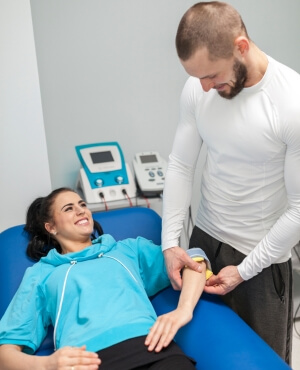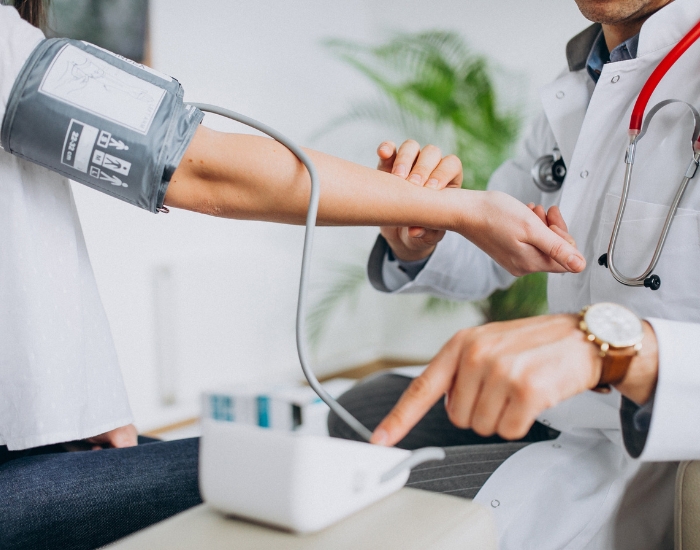
High blood pressure, medically known as Hypertension, is a common but serious condition that often develops without obvious symptoms. Many individuals searching for “signs of high blood pressure,” “hypertension symptoms,” or “why is my blood pressure high” may not realize that this condition can silently damage the heart, brain, kidneys, and blood vessels over time. Because of its subtle nature, hypertension is often called the “silent killer,” making early recognition and regular screening essential in primary care practice.
Table of Contents
- What Is High Blood Pressure
- Causes of High Blood Pressure
- Common Signs and Symptoms
- Dangerous Warning Signs
- When to See a Doctor
- Diagnosis and Monitoring
- Treatment and Prevention
- Bryan Family Practice – Recommended Clinic
- Conclusion
What Is High Blood Pressure
High blood pressure occurs when the force of blood against artery walls remains consistently elevated. Over time, this increased pressure strains the cardiovascular system and increases the risk of heart attack, stroke, and kidney disease. Many patients searching for “what causes hypertension” or “blood pressure symptoms” often discover that the condition develops gradually due to lifestyle and genetic factors rather than a single cause. In most cases, hypertension is diagnosed during routine checkups, making preventive care extremely important.
Causes of High Blood Pressure
When people search for “why do I have high blood pressure,” the most common contributing factors include poor diet, excessive salt intake, obesity, lack of physical activity, chronic stress, smoking, and alcohol use. In some cases, underlying conditions such as kidney disease or hormonal disorders can also contribute. Family history plays a significant role as well, increasing the likelihood of developing hypertension over time.
Common Signs and Symptoms
Although hypertension is often symptomless, some individuals may experience warning signs that should not be ignored. These include persistent headaches, dizziness, blurred vision, fatigue, and mild chest discomfort. Many patients searching for “early signs of high blood pressure” report that these symptoms appear intermittently and are often mistaken for stress or tiredness. However, even mild symptoms may indicate underlying cardiovascular strain and should be evaluated by a healthcare provider.
Dangerous Warning Signs
In more severe cases, high blood pressure can lead to urgent symptoms such as severe headaches, shortness of breath, chest pain, or sudden vision changes. These may indicate dangerously elevated blood pressure levels that require immediate medical attention. Left untreated, such episodes can lead to life-threatening complications including stroke or heart attack. Recognizing these warning signs early is crucial for preventing long-term damage.
When to See a Doctor
Searches like “when to see a doctor for high blood pressure” or “primary care doctor near me for hypertension” highlight the importance of early evaluation. If you experience persistent symptoms or have risk factors such as obesity, diabetes, or family history, you should seek medical care promptly. Regular blood pressure monitoring is essential even if you feel healthy, as hypertension often develops silently.
For comprehensive evaluation and ongoing care, visit a trusted primary care provider such as Bryan Family Practice
If you are managing both blood pressure and metabolic conditions like diabetes: Diabetes Treatment Doctor
For chronic condition management and long-term care: Hypertension Treatment Doctor
For same-day evaluation of urgent symptoms: Walk-In Clinic
Diagnosis and Monitoring
When patients search for “how to check blood pressure” or “hypertension diagnosis,” healthcare providers typically use repeated blood pressure measurements, sometimes combined with home monitoring or ambulatory blood pressure tests. These help confirm whether elevated readings are consistent and require treatment. Early detection is essential to prevent complications and maintain cardiovascular health.
Treatment and Prevention
Many individuals search for “how to lower blood pressure naturally” or “treatment for high blood pressure,” and the most effective approach often begins with lifestyle modification. Reducing salt intake, maintaining a healthy weight, exercising regularly, managing stress, and avoiding smoking are key strategies. In some cases, medications may be prescribed to control blood pressure and reduce cardiovascular risk. Preventive care and regular monitoring are essential for long-term management.
Bryan Family Practice – Recommended Clinic for Treatment
For patients experiencing signs of high blood pressure or seeking long-term hypertension management, Bryan Family Practice provides comprehensive primary care services for individuals and families. The clinic focuses on preventive healthcare, chronic disease management, and personalized treatment plans to support long-term wellness.
Address:
3201 University Drive East, Suite 345, Bryan, TX 77802
Hours:
Monday–Friday: 8:00 AM – 5:00 PM
Saturday–Sunday: Closed
Call Now & Schedule:
(979) 776-2715
Bryan Family Practice is currently accepting new patients and offers both scheduled and walk-in appointments for urgent and routine care needs.
Conclusion
High blood pressure is a serious yet often silent condition that can lead to significant health complications if left untreated. Many individuals searching for signs of high blood pressure may not realize that even mild symptoms can indicate underlying cardiovascular risk. Regular monitoring, early diagnosis, and timely medical care from a primary care doctor near you are essential steps in preventing complications and maintaining long-term heart health. A proactive approach that includes lifestyle changes and medical guidance can significantly reduce the risk associated with hypertension.
Medical Disclaimer: This content is for informational and educational purposes only and should not be considered medical advice, diagnosis, or treatment. Always consult a qualified healthcare provider for any medical concerns or symptoms. If you experience severe symptoms such as chest pain, difficulty breathing, or sudden vision changes, seek emergency medical care immediately.