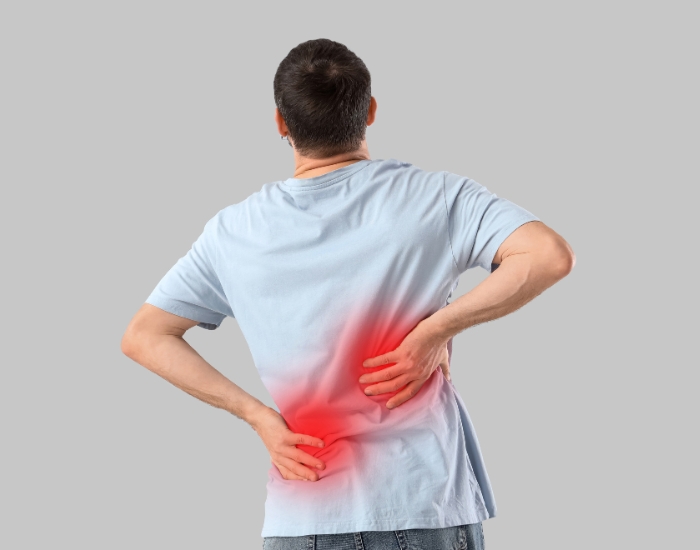
Lower back pain is one of the most common health complaints among adults in the United States. Many people experience discomfort at some point in their lives, but deciding whether the pain is a minor issue or something that needs medical attention can be confusing. Understanding the pain in lower back causes can help women and men make informed choices about care, recognize warning signs early, and avoid long-term complications.
Back discomfort can interfere with work, sleep, and daily activities. For some, the pain comes suddenly after a heavy lift or fall. For others, it develops gradually over time. While most lower back pain improves with simple care, persistent or severe pain should never be ignored. Learning about the common causes, symptoms, and when to consult a primary care provider can give patients confidence in managing their health.
What Is Lower Back Pain?
Lower back pain refers to discomfort or pain in the area between the lower ribs and the top of the legs. The pain can range from a dull ache to sharp, stabbing sensations and may be accompanied by stiffness, reduced mobility, or pain radiating into the hips or legs.
Most episodes of lower back pain are acute, lasting a few days to a few weeks, while chronic lower back pain persists for 12 weeks or longer. Understanding the pain in lower back causes is essential for identifying the best approach to treatment and ensuring it does not worsen over time.
Some general points about lower back pain include:
-
It is one of the leading causes of missed work days and decreased quality of life.
-
Symptoms vary depending on the underlying cause and the individual’s overall health.
-
Early recognition and care often improve outcomes and prevent recurrence.
Common Pain in Lower Back Causes
The causes of lower back pain are diverse, ranging from muscle strain to serious medical conditions. Identifying the root cause is crucial for proper management. Here are some of the most frequent contributors to lower back pain:
-
Muscle or ligament strain: Lifting heavy objects, sudden twisting, or awkward movements can overstretch muscles and ligaments, leading to acute pain.
-
Herniated or bulging discs: Discs act as cushions between the vertebrae. When a disc bulges or ruptures, it may press on nerves, causing pain, numbness, or tingling down the legs.
-
Arthritis: Osteoarthritis in the spine can narrow the space around the spinal cord, resulting in discomfort and stiffness.
-
Skeletal irregularities: Conditions like scoliosis or abnormal spinal curvature can create uneven pressure on the back muscles and joints.
-
Osteoporosis: Weak, brittle bones are more prone to fractures, including vertebral fractures that trigger back pain.
-
Lifestyle factors: Being overweight, sedentary, or engaging in repetitive poor posture increases stress on the spine. Smoking also impairs blood flow to spinal tissues, slowing healing.
-
Medical conditions beyond the spine: Kidney stones, urinary tract infections, or inflammatory bowel disease can cause referred lower back pain, sometimes mimicking musculoskeletal issues.
Understanding these causes helps patients and primary care providers determine whether pain can be managed conservatively or requires further evaluation by a specialist.
Lower Back Pain Symptoms to Watch
Recognizing warning signs is critical for preventing serious complications. While occasional stiffness or mild discomfort is common, certain patterns indicate that a prompt medical assessment is necessary:
-
Pain lasting more than a few weeks despite home care
-
Numbness, tingling, or weakness in the legs
-
Pain that radiates down one or both legs (sciatica)
-
Difficulty controlling bladder or bowel function
-
Severe or sudden pain following an injury or fall
-
Unexplained weight loss, fever, or night sweats accompanying back pain
If any of these symptoms occur, scheduling a consultation with a primary care provider or a lower back pain doctor near me can ensure timely diagnosis and prevent progression of potentially serious conditions.
How Pain in Lower Back Causes Are Evaluated
Evaluation by a primary care physician begins with understanding the patient’s history and symptoms. A detailed discussion helps determine whether the pain is musculoskeletal, nerve-related, or a sign of another underlying condition.
During the physical examination, the doctor may assess posture, flexibility, reflexes, and nerve function. This helps pinpoint the source of discomfort and decide if further testing is required.
Screening and diagnostic tests often include:
-
Imaging tests: X-rays, MRI, or CT scans can reveal structural problems, disc herniation, or spinal degeneration.
-
Blood tests: Used if infection, inflammation, or systemic disease is suspected.
-
Functional assessments: Evaluating how pain affects movement and daily activities.
After evaluation, the primary care doctor may recommend conservative treatment, monitor progress, or refer patients to specialists such as orthopedists, neurologists, or physical therapists for advanced care.
Management and Treatment Approaches
Treatment depends on the underlying cause and severity of pain. Many cases improve with conservative care, but chronic or severe conditions may require specialized treatment. Effective management strategies include:
-
Rest and activity modification: Short-term rest can relieve strain, but prolonged inactivity may worsen stiffness. Gentle movement and posture awareness are key.
-
Pain relief: Over-the-counter pain relievers, anti-inflammatory medications, or topical treatments help reduce discomfort. Prescription medications may be used for more severe pain.
-
Physical therapy: Tailored exercises strengthen core muscles, improve flexibility, and correct posture, which can prevent future episodes.
-
Lifestyle adjustments: Maintaining a healthy weight, regular exercise, proper ergonomics at work, and avoiding prolonged sitting help protect the spine.
-
Specialist care: Referral to a lower back pain doctor near me, orthopedist, or pain management specialist may be necessary if symptoms persist or worsen.
Consistent follow-up is important to track progress, adjust treatment plans, and address new symptoms promptly.
Preventing Lower Back Pain
Prevention plays a significant role in reducing the frequency and severity of back pain. Key strategies include:
-
Maintaining good posture while sitting, standing, and lifting
-
Engaging in regular low-impact exercise, such as swimming, walking, or yoga
-
Strengthening core and back muscles to support the spine
-
Using supportive chairs, mattresses, and ergonomic tools at work and home
-
Taking frequent breaks to stretch during long periods of sitting
-
Avoiding smoking and managing body weight
A proactive approach helps minimize risk factors and promotes long-term spinal health.
Who Should Manage Lower Back Pain
Primary care physicians are the first and most important point of contact for lower back pain. They evaluate symptoms, rule out serious conditions, and coordinate care. Their role includes:
-
Reviewing symptoms and performing initial exams
-
Ordering imaging and lab tests if necessary
-
Educating patients about self-care and lifestyle modifications
-
Referring to specialists such as orthopedists, neurologists, or physical therapists for advanced management
Specialists provide focused care for complex or chronic cases, but the primary care provider ensures continuity and comprehensive oversight of health.
Key Takeaways
-
Pain in lower back causes range from muscle strains to serious medical conditions.
-
Early evaluation and proper management reduce the risk of chronic pain or complications.
-
Lifestyle changes, exercise, and preventive measures are essential for back health.
-
Persistent or severe pain should always prompt a visit to a lower back pain doctor near me or primary care provider.
Conclusion
Lower back pain is common, but it does not need to control daily life. Understanding the pain in lower back causes, recognizing warning signs, and seeking timely evaluation can make a significant difference. With the guidance of a primary care physician, patients can identify the underlying cause, manage symptoms effectively, and adopt preventive strategies for long-term back health. Staying proactive, informed, and attentive to your body helps maintain mobility, comfort, and overall well-being.
Medical Disclaimer: This content is for educational purposes only and does not replace professional medical advice. Always consult a qualified healthcare provider for personal medical concerns, diagnosis, or treatment.