
Sports Injuries: Diagnosis, Treatment, and Recovery
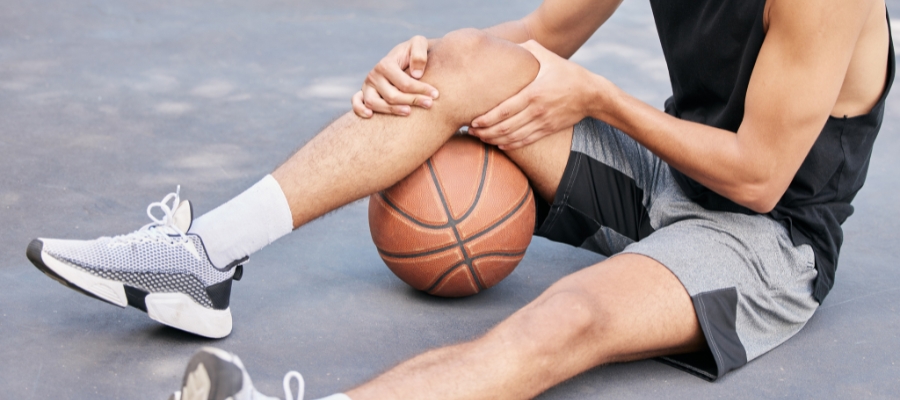
Sports injuries are a common challenge for athletes, fitness enthusiasts, and even casual exercisers. Whether you’re a weekend warrior or a professional athlete, injuries can disrupt training, affect performance, and impact daily life. Prompt and effective management is crucial to minimize downtime, prevent complications, and ensure a safe return to activity. Understanding the causes, symptoms, and treatment options for sports injuries empowers individuals to take control of their recovery and maintain long-term health and mobility.
Common Types of Sports Injuries
Sports injuries can affect muscles, bones, ligaments, tendons, or joints. Some of the most frequent injuries include:
-
Sprains: Stretching or tearing of ligaments, commonly affecting the ankle, knee, or wrist
-
Strains: Overstretching or tearing of muscles or tendons
-
Fractures: Broken bones caused by trauma or overuse
-
Dislocations: Bones forced out of their normal position, often in the shoulder or fingers
-
Tendinitis: Inflammation of a tendon due to repetitive movement
-
Concussions: Brain injuries caused by impact, commonly in contact sports
-
Overuse Injuries: Repetitive stress causing conditions like shin splints, stress fractures, or tennis elbow
Recognizing the type of injury is the first step in providing targeted treatment and minimizing long-term complications.
Walk In Clinic Covering More...
Signs and Symptoms of Sports Injuries
Symptoms vary depending on the type and severity of the injury, but common indicators include:
-
Pain or tenderness at the injury site
-
Swelling, bruising, or redness
-
Reduced range of motion
-
Instability or weakness in the affected area
-
Numbness or tingling (in cases involving nerves)
-
Difficulty bearing weight or performing regular activities
Early identification of symptoms allows for timely intervention, which can prevent the injury from worsening.
Causes and Risk Factors
Sports injuries can result from a combination of factors:
Acute Injuries
These occur suddenly due to trauma or impact, such as:
-
Collisions in contact sports
-
Falls during running or cycling
-
Improper landing from a jump
Chronic or Overuse Injuries
These develop gradually over time due to repetitive stress on muscles, joints, or bones:
-
Running long distances without proper rest
-
Repetitive throwing in baseball or softball
-
Excessive weightlifting without adequate recovery
Risk Factors
Certain conditions increase the likelihood of sports injuries:
-
Poor conditioning or lack of strength and flexibility
-
Inadequate warm-up or cool-down routines
-
Using improper equipment or technique
-
Previous injuries or insufficient recovery time
Understanding these risk factors allows athletes to take preventive measures and reduce the likelihood of injury.
Diagnosis and Assessment
Proper diagnosis is essential for effective treatment. Healthcare professionals use a combination of:
-
Medical History Review: Understanding the nature of the activity, previous injuries, and current symptoms
-
Physical Examination: Assessing swelling, range of motion, strength, and stability
-
Imaging Tests: X-rays, MRIs, or CT scans may be needed to evaluate bones, ligaments, and soft tissue damage
-
Functional Tests: Movement analysis to identify biomechanical issues contributing to injury
Accurate assessment ensures a targeted treatment plan tailored to the injury and the individual’s goals.
Treatment Options for Sports Injuries
Treatment varies depending on the type, severity, and location of the injury. Common approaches include:
Rest, Ice, Compression, Elevation (RICE)
For minor injuries, RICE is often the first step:
-
Rest: Avoid activities that aggravate the injury
-
Ice: Apply ice packs to reduce swelling and pain
-
Compression: Use bandages or braces to support the injured area
-
Elevation: Keep the injured limb elevated to minimize swelling
Medications
Over-the-counter anti-inflammatory or pain medications may help manage pain and reduce inflammation. In some cases, prescription medications may be recommended.
Physical Therapy
Rehabilitation exercises restore strength, flexibility, and mobility. Physical therapy may include:
-
Stretching and strengthening exercises
-
Balance and coordination training
-
Functional movement drills
-
Sport-specific performance exercises
Advanced Treatments
For severe injuries, advanced interventions may be necessary:
-
Injections: Corticosteroid or platelet-rich plasma (PRP) injections for inflammation and tissue healing
-
Surgery: Repairing torn ligaments, tendons, or fractures when conservative treatment is insufficient
Recovery and Return to Sport
A gradual, structured return-to-sport program is critical to prevent re-injury. Progress is monitored based on:
-
Pain levels
-
Range of motion
-
Strength and stability
-
Functional performance in sport-specific movements
Adhering to a recovery plan ensures a safe return to activity and long-term performance improvement.
Preventing Sports Injuries
Prevention is always better than treatment. Key strategies include:
-
Proper Warm-Up and Cool-Down: Prepare muscles and joints before activity and aid recovery afterward
-
Strength and Conditioning: Maintain overall fitness and sport-specific strength
-
Use Correct Technique: Proper form reduces stress on muscles and joints
-
Appropriate Equipment: Wear supportive shoes, protective gear, and use correctly sized equipment
-
Rest and Recovery: Avoid overtraining and allow sufficient time for healing
-
Cross-Training: Alternate activities to reduce repetitive strain
By following these guidelines, athletes can reduce the risk of injury and optimize performance.
Special Considerations for Young Athletes
Young athletes are at a higher risk for growth-related injuries due to developing bones, muscles, and joints. Key considerations include:
-
Avoiding excessive training hours without proper rest
-
Monitoring growth plate injuries, which can affect long-term development
-
Ensuring age-appropriate strength and conditioning programs
-
Providing education on proper technique and injury prevention
Early intervention and guidance help young athletes stay safe while pursuing their sport goals.

COMPREHENSIVE Family HEALTH SERVICES
Family health care is essential for early detection of illnesses, promoting preventive measures, and fostering overall well-being. It ensures a healthier and happier life for all family members.
Frequently Asked Questions (FAQs):
Q: How soon should I see a doctor after a sports injury?
A: If you experience significant pain, swelling, inability to bear weight, or limited range of motion, you should seek medical attention promptly.
Q: Can sports injuries be completely prevented?
A: While it’s impossible to prevent all injuries, proper conditioning, technique, equipment, and recovery can greatly reduce risk.
Q: How long does recovery from a sports injury take?
A: Recovery time varies depending on the injury type and severity. Minor sprains may heal in a few weeks, while surgery or complex injuries can take several months.
Q: Is physical therapy necessary for all sports injuries?
A: Physical therapy is highly recommended for most injuries, as it restores strength, flexibility, and prevents future injuries.
Q: Can I return to sports too soon?
A: Returning too early increases the risk of re-injury. Recovery should be guided by a healthcare professional and progress monitored carefully.
Taking Charge of Your Sports Health
Managing sports injuries effectively requires a combination of timely medical care, rehabilitation, and preventive strategies. With the right approach, athletes can recover safely, regain performance, and continue to enjoy their favorite activities. From minor sprains to more complex injuries, understanding the injury, following a structured treatment plan, and focusing on long-term conditioning ensures optimal outcomes.
Bryan Family Practice is accepting new patients for sports injuries from Bryan, College Station, and surrounding areas. Our team provides expert evaluation, personalized treatment plans, and comprehensive rehabilitation programs to help patients recover safely and return to their active lifestyles. Whether managing acute injuries, overuse conditions, or planning preventive care, we are here to keep you moving and performing at your best.
Latest Blogs
Family health information is vital for understanding risks, hereditary conditions, and medical history. It enables informed decisions, personalized care, and promotes overall well-being within the family unit.

Can High Blood Pressure Cause Headaches?
Many people assume that headaches are one of the most common and reliable signs of high blood pressure. But the relationship...

Frequent Urination Causes in Adults: Symptoms, Reasons & Treatment
Frequent urination is a common urinary concern that affects many adults at different stages of life. Medically, it may be...

What Happens If Blood Sugar Reaches 500?
When blood sugar reaches 500 mg/dL, it is not just “high”—it is a medical emergency. At this level, the body is under extreme...
Patient Reviews
Family health information is vital for understanding risks, hereditary conditions, and medical history. It enables informed decisions, personalized care, and promotes overall well-being within the family unit.
I highly recommend Bryan Family Practice for their exceptional family health services. The staff is friendly and professional, and the doctors are knowledgeable and attentive. They take the time to understand our family's health needs and provide personalized care. A great experience overall!
- Igor Landry
Bryan Family Practice has been our go-to healthcare provider for years, and they never disappoint. From routine check-ups to handling emergencies, they have consistently delivered top-notch care. Their expertise in family health is evident, and we trust them completely with our well-being. Thank you, Bryan Family Practice!